

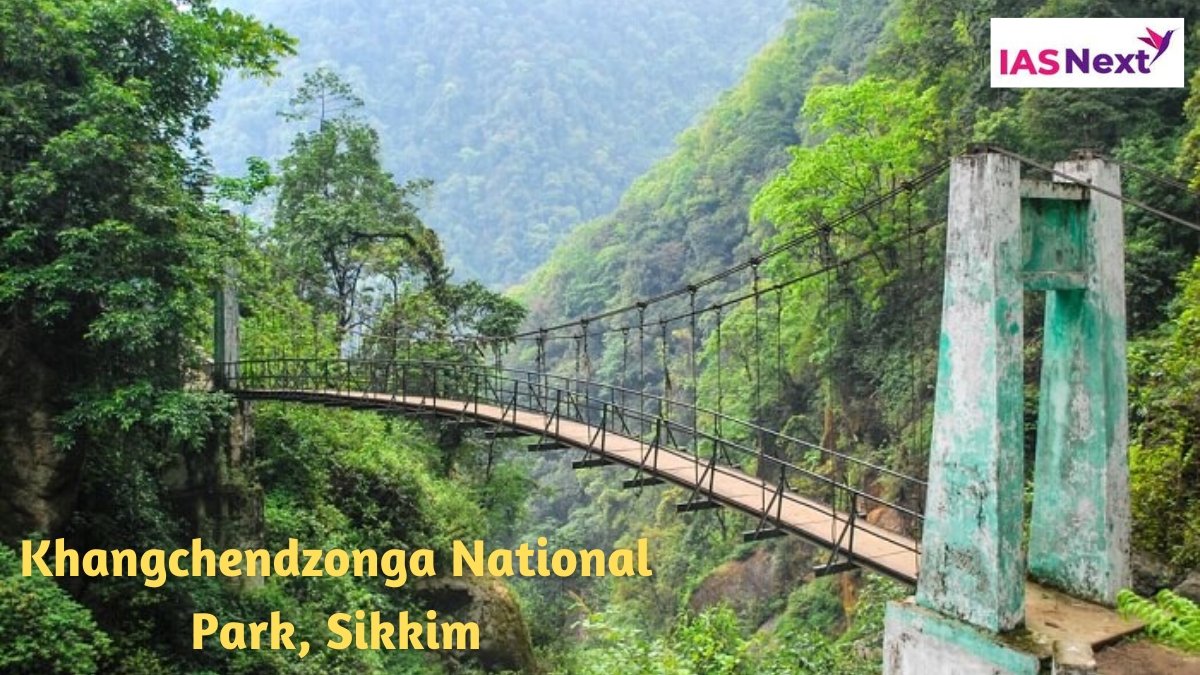

Sikkim, India’s second smallest state, is a jewel of the Eastern Himalayas. Despite its compact size, it is home to one of the richest biodiversity zones in the country. The Popular National Parks in Sikkim are not just wildlife reserves—they are cultural landscapes where nature, spirituality, and adventure converge. This guide explores the national parks and associated sanctuaries in detail, highlighting their unique features, species, and travel experiences.
🌄 Why Sikkim’s National Parks Are Special
- UNESCO Recognition: Khangchendzonga National Park is India’s first “Mixed Heritage” site under UNESCO.
- Rare Species: Snow leopard, red panda, Himalayan tahr, musk deer, and Tibetan wild ass.
- Birdwatcher’s Paradise: Over 550 bird species including tragopans, pheasants, and migratory birds.
- Floral Diversity: Rhododendrons, orchids, alpine meadows, and medicinal plants.
- Adventure & Culture: Trekking, eco-tourism, and sacred landscapes tied to local myths.
🏞️ Popular National Parks and Sanctuaries in Sikkim
1. Khangchendzonga National Park
- Location: North and West Sikkim, covering 1,784 sq km.
- Highlights: Mount Kanchenjunga (8,586 m), the third-highest peak in the world.
- Wildlife: Snow leopard, Himalayan black bear, red panda, musk deer, Himalayan blue sheep.
- Flora: Temperate broadleaf forests, alpine meadows, rhododendrons, orchids.
- Activities: Trekking to Dzongri and Goecha La, camping, birdwatching.
- Cultural Significance: Sacred landscapes tied to Sikkimese myths and Buddhist traditions.
2. Fambong Lho Wildlife Sanctuary
- Location: 20 km from Gangtok.
- Wildlife: Red panda, civets, barking deer.
- Birds: Satyr tragopan, hill partridge.
- Flora: Oak, rhododendron, bamboo.
- Activities: Short treks, birdwatching, eco-tourism.
3. Maenam Wildlife Sanctuary
- Location: South Sikkim, near Ravangla.
- Wildlife: Red panda, leopard cat, civets.
- Birds: Blood pheasant, magpies.
- Activities: Trekking to Maenam Peak with panoramic Himalayan views.
4. Shingba Rhododendron Sanctuary
- Location: Yumthang Valley, North Sikkim.
- Flora: Over 40 species of rhododendrons.
- Wildlife: Musk deer, Himalayan black bear.
- Activities: Flower-viewing treks, especially April–June.
5. Kyongnosla Alpine Sanctuary
- Location: Near Tsomgo Lake, East Sikkim.
- Wildlife: Red panda, Himalayan monal, snow leopard.
- Flora: Alpine vegetation, medicinal plants.
- Activities: Trekking, photography, eco-tourism.
6. Pangolakha Wildlife Sanctuary
- Location: East Sikkim, bordering Bhutan.
- Wildlife: Red panda, Himalayan black bear, clouded leopard.
- Birds: Himalayan griffon, satyr tragopan.
- Activities: Trekking, camping, village tourism.
7. Barsey Rhododendron Sanctuary
- Location: West Sikkim.
- Flora: Rhododendron forests.
- Wildlife: Red panda, Himalayan langur.
- Activities: Trekking through rhododendron trails, spring festivals.
🎭 Cultural & Natural Experiences
- Tribal Heritage: Lepcha and Bhutia communities live near sanctuaries.
- Eco-Tourism: Homestays and guided treks.
- Festivals: Rhododendron festivals in spring.
- Sacred Landscapes: Kanchenjunga revered in local mythology.
🛍️ Shopping During Park Tours
- Handicrafts: Woolen carpets, bamboo products.
- Spices & Tea: Organic produce from local markets.
- Souvenirs: Thangka paintings, prayer flags.
🍲 Cuisine in Sikkim National Park Tours
- Local Foods: Momos, thukpa, phagshapa.
- Snacks: Sel roti, churpi (yak cheese).
- Organic Meals: Farm-to-table experiences in eco-lodges.
📸 Photography Opportunities
- Wildlife Shots: Red panda, snow leopard, exotic birds.
- Floral Frames: Rhododendrons, orchids, alpine meadows.
- Landscape Views: Kanchenjunga, valleys, rivers.
- Cultural Moments: Monasteries, tribal villages.
✨ Sample 7-Day Itinerary
Day 1–2: Gangtok & Fambong Lho – Birdwatching and short treks.
Day 3: Kyongnosla & Tsomgo Lake – Alpine sanctuary visit.
Day 4: Yumthang Valley & Shingba Sanctuary – Rhododendron trails.
Day 5: Lachung & Maenam Sanctuary – Trekking and wildlife spotting.
Day 6: Barsey Sanctuary – Rhododendron forest trek.
Day 7: Khangchendzonga National Park – Dzongri trek and Kanchenjunga views.
🚉 Travel Tips
- Best Time to Visit: March–June and September–December.
- Clothing: Warm clothes for high-altitude areas.
- Permits: Required for North Sikkim sanctuaries.
- Guides: Hire local naturalists for deeper insights.
📖 Conclusion
The Popular National Parks in Sikkim are not just protected areas—they are living museums of Himalayan biodiversity. From Khangchendzonga’s snow leopards to Shingba’s rhododendrons, from Fambong Lho’s birdlife to Barsey’s red pandas, each sanctuary offers unique experiences. Whether you are a nature lover, a trekker, or a family traveler, Sikkim’s national parks promise memories that last a lifetime.