

Millions of Americans live with tinnitus every single day. The relentless ringing, buzzing, hissing, or whooshing sounds that tinnitus produces can be mentally exhausting, disruptive to sleep, and deeply frustrating to manage. While conventional medicine has limited pharmaceutical options for tinnitus, a growing number of people across the United States are turning to natural approaches to find relief.
The interest in natural tinnitus relief supplement USA options has surged in recent years as more research emerges connecting nutritional deficiencies and oxidative stress to inner ear dysfunction. This comprehensive guide explores what tinnitus is, why natural supplementation is gaining ground, which nutrients are most supported by science, and how to make informed choices when seeking relief.
What Is Tinnitus and Why Is It So Common in the USA?
Tinnitus is defined as the perception of sound when no external sound source is present. It is not a disease on its own but a symptom pointing to an underlying condition such as noise-induced hearing damage, age-related hearing loss, ear infections, cardiovascular issues, or even certain medications.
According to health estimates, roughly 15 percent of the general population experiences some form of tinnitus, and in the United States alone, that translates to tens of millions of affected individuals. Among veterans and military personnel, the prevalence is even higher due to frequent exposure to loud explosions, gunfire, and heavy machinery.
The causes vary widely, but several common threads emerge. Chronic exposure to loud noise remains the leading trigger. Age-related degeneration of the auditory system is another major factor. Poor circulation, nutritional deficiencies, and chronic stress also contribute meaningfully to the development and persistence of tinnitus symptoms.
Because tinnitus originates from complex neurological and physiological processes, no single drug has been approved by the FDA specifically to treat it. This gap has opened the door for nutritional and herbal approaches, and many Americans are now actively exploring natural tinnitus relief supplement options to manage their symptoms effectively.
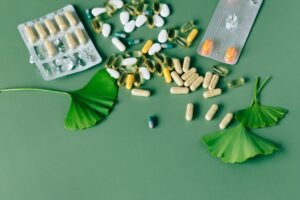
Why Natural Supplements Are Gaining Popularity for Tinnitus Relief
The shift toward natural supplementation for tinnitus is not merely a wellness trend. It is grounded in a logical understanding of how the auditory system works and what it needs to function optimally.
The inner ear is one of the most metabolically active tissues in the human body. It demands a constant supply of oxygen-rich blood, protective antioxidants, and specific vitamins and minerals to maintain the health of its hair cells and nerve fibers. When any of these inputs fall short, the auditory system becomes more vulnerable to damage and dysfunction.
Natural supplements address this vulnerability by replenishing nutrients that modern diets frequently lack. They can reduce oxidative stress in the cochlea, improve blood circulation to the inner ear, calm overactive nerves, and reduce inflammation that disrupts normal auditory processing. For many Americans dealing with tinnitus, this multi-pronged nutritional approach offers meaningful symptom improvement without the side effects associated with pharmaceutical interventions.
The Most Effective Natural Nutrients for Tinnitus Relief
Magnesium: The Inner Ear Protector
Among all the nutrients studied in relation to tinnitus, magnesium has some of the strongest scientific backing. It protects the delicate hair cells of the cochlea from noise-induced damage by blocking a specific pathway that allows excess calcium to enter and destroy these cells during acoustic trauma. Research has shown that adequate magnesium levels can reduce the incidence and severity of both noise-induced hearing loss and tinnitus.
Magnesium also plays a role in relaxing blood vessels. Since restricted blood flow to the cochlea is a recognized trigger for tinnitus, the vasodilatory effects of magnesium may help ease symptoms by improving the delivery of oxygen and nutrients to the inner ear.
Zinc: Essential for Cochlear Function
The cochlea contains one of the highest concentrations of zinc in the entire human body, which gives a clear signal of how important this mineral is to hearing. Zinc supports cell repair, immune function, and the transmission of nerve signals. A notable body of research has found that people with tinnitus are more likely to have low zinc levels compared to those without the condition, and supplementation has been shown to reduce tinnitus severity in some groups, particularly older adults.
Vitamin B12: Guardian of the Auditory Nerve
Vitamin B12 is essential for maintaining the myelin sheath that wraps around and protects nerve fibers, including the auditory nerve that carries sound signals from the inner ear to the brain. When B12 levels drop, this protective layer can degrade, leading to erratic or noisy nerve signaling that the brain may interpret as phantom sounds. Studies have found a clear connection between B12 deficiency and tinnitus, making this one of the most important nutrients to assess and address.
Ginkgo Biloba: Herbal Support for Circulation
Ginkgo biloba is one of the most widely studied herbal supplements for tinnitus in both the United States and Europe. Its primary mechanism of action is enhancing blood flow to the brain and inner ear, which can be especially beneficial when tinnitus is related to poor circulation. Ginkgo also contains powerful flavonoids and terpenoids that act as antioxidants, helping to protect inner ear tissues from free radical damage.
Vitamin D: The Overlooked Ear Nutrient
Vitamin D deficiency is extremely common in the United States, particularly in northern states where sunlight exposure is limited during winter months. This vitamin plays a role in regulating fluid balance in the inner ear and supporting the structural integrity of bones involved in hearing, specifically the ossicles that transmit sound vibrations. Deficiency has been linked to otosclerosis (abnormal bone growth in the ear) and other conditions associated with hearing loss and tinnitus.
Alpha Lipoic Acid: Broad-Spectrum Antioxidant
Alpha lipoic acid is unique among antioxidants because it is both water and fat soluble, meaning it can protect virtually all tissues in the body including the fluid-filled chambers of the inner ear. It also regenerates other antioxidants such as vitamins C and E, amplifying the body’s overall protective capacity. Research supports its use in reducing oxidative damage to inner ear hair cells, particularly in cases of noise-induced or age-related tinnitus.
N-Acetyl Cysteine (NAC): Boosting Glutathione in the Ear
NAC serves as a direct precursor to glutathione, the body’s most abundant internal antioxidant. The cochlea is particularly rich in glutathione, which helps neutralize the reactive oxygen species generated by loud noise exposure and other stressors. When glutathione is depleted, hair cell damage accelerates. Supplementing with NAC helps restore cochlear glutathione levels and has shown promise in clinical research for protecting hearing and reducing tinnitus symptoms.
Nutrient Comparison Table for Natural Tinnitus Relief
| Nutrient | Primary Function | Evidence Level | Suggested Daily Intake | Common Dietary Sources |
|---|---|---|---|---|
| Magnesium | Protects cochlear hair cells | Strong | 310–420 mg | Leafy greens, almonds, seeds |
| Zinc | Cochlear repair and nerve signaling | Moderate–Strong | 8–11 mg | Oysters, pumpkin seeds, beef |
| Vitamin B12 | Auditory nerve myelin protection | Moderate–Strong | 2.4 mcg | Eggs, dairy, lean meats |
| Ginkgo Biloba | Improves inner ear blood flow | Moderate | 120–240 mg extract | Herbal supplement only |
| Vitamin D | Regulates ear fluid and bone health | Moderate | 600–2000 IU | Sunlight, fatty fish, fortified foods |
| Alpha Lipoic Acid | Antioxidant protection for cochlea | Moderate | 300–600 mg | Red meat, spinach, broccoli |
| NAC | Restores cochlear glutathione levels | Moderate | 600–1800 mg | Eggs, poultry, legumes |
How to Choose a Natural Tinnitus Relief Supplement in the USA
The supplement market in the United States is vast and not uniformly regulated, which means product quality can vary dramatically from brand to brand. Here are the most important factors to evaluate when selecting a natural tinnitus relief supplement.
Third-party testing and certification. Look for supplements that carry seals from independent testing organizations that verify purity, potency, and the absence of heavy metals or contaminants. This is one of the clearest indicators of quality.
Transparent labeling. Reputable supplements clearly list all active and inactive ingredients along with exact dosages. Avoid proprietary blends that obscure how much of each ingredient is actually present.
Clinically relevant dosages. Not all supplements contain effective amounts of their listed ingredients. Cross-check label dosages against the amounts used in clinical research to ensure you are getting a therapeutically meaningful dose.
GMP-certified manufacturing. Good Manufacturing Practice certification ensures that the facility producing the supplement meets strict standards for cleanliness, consistency, and quality control.
Form of nutrients. Some forms of nutrients are absorbed more effectively than others. For example, magnesium glycinate or malate is better tolerated and absorbed than magnesium oxide. Methylcobalamin is the preferred form of B12 for neurological support.
Practical Tips for Using Supplements for Tinnitus
Taking the right supplements is only part of the equation. How and when you take them, and what other lifestyle factors are in play, will significantly influence your results.
Consistency is essential. Most nutritional interventions require weeks or months before meaningful changes become apparent. Do not evaluate effectiveness after just a few days of use. Commit to a consistent regimen for at least eight to twelve weeks before drawing conclusions.
Pair supplementation with a nutrient-rich diet. Supplements fill gaps but cannot replace the synergistic benefits of whole foods. Prioritize a diet rich in dark leafy greens, nuts, seeds, lean proteins, and oily fish to support overall auditory health.
Limit noise exposure. No supplement can undo ongoing damage caused by repeated loud noise exposure. Wearing ear protection in noisy environments is a non-negotiable habit for anyone serious about protecting their hearing.
Manage stress actively. Chronic stress elevates cortisol, which can worsen tinnitus perception and impair sleep. Mindfulness meditation, regular physical exercise, and adequate rest all support a calmer nervous system and may reduce the intrusive nature of tinnitus over time.
Work with a healthcare provider. Before beginning any supplement regimen, particularly if you take prescription medications or have chronic health conditions, consult a qualified healthcare professional to ensure safety and appropriate dosing.
Who Benefits Most From Natural Tinnitus Supplements in the USA
Natural supplementation for tinnitus is not a one-size-fits-all solution, but certain groups are particularly well positioned to benefit. Older adults, who are more likely to carry nutritional deficiencies and experience age-related auditory decline, often see meaningful improvements with targeted B12, zinc, and vitamin D supplementation. Veterans and individuals with noise-exposed occupations may benefit most from antioxidant-focused approaches using magnesium, NAC, and alpha lipoic acid. Vegans and vegetarians, frequently deficient in B12 and zinc, may find that correcting these deficiencies alone produces noticeable relief.
Frequently Asked Questions (FAQ)
Q1: What is the most effective natural tinnitus relief supplement available in the USA? Magnesium, zinc, and vitamin B12 are among the most researched options. Effectiveness varies by individual, so identifying personal deficiencies through blood testing before supplementing is strongly recommended.
Q2: How long does it take for natural tinnitus supplements to reduce ear ringing? Most people need consistent use over eight to twelve weeks before noticing significant improvement, as nutritional changes affect cellular function gradually rather than producing immediate results.
Q3: Are natural tinnitus relief supplements safe to use daily in the USA? Most are safe at recommended doses, but consulting a healthcare provider is advised, especially when combining multiple supplements or taking prescription medications that may interact with certain nutrients.
Q4: Can vitamin B12 deficiency actually cause ringing in the ears? Yes, low B12 can degrade the auditory nerve’s protective myelin sheath, causing abnormal nerve signaling. Correcting B12 deficiency has been shown to reduce tinnitus severity in deficient individuals.
Q5: Is ginkgo biloba a proven natural supplement for tinnitus relief in the USA? Ginkgo biloba has moderate clinical support for improving blood flow to the inner ear, which may ease tinnitus. Results vary, and it works best alongside other targeted nutritional support strategies.
Conclusion of Natural Tinnitus Relief Supplement USA
Living with tinnitus does not have to mean accepting a lifetime of unrelenting noise. While there is no guaranteed cure, the growing body of research supporting natural tinnitus relief supplement USA options gives many Americans a practical, safe, and science-informed pathway toward better ear health and reduced symptoms.
By addressing the nutritional foundations of auditory function, protecting the inner ear from oxidative damage, and supporting healthy circulation to the cochlea, natural supplements represent a meaningful complement to broader tinnitus management strategies. Combine smart supplementation with protective lifestyle habits, a nutrient-dense diet, and guidance from a healthcare professional to give yourself the best possible chance at finding lasting relief.